The Monday Mindset
Lately, it feels like everyone knows someone taking a GLP-1 medication. Maybe it's a friend. Maybe it's a family member. Maybe it's you. The stories are usually similar. The weight starts coming off. Clothes fit better. Energy improves. The scale finally moves after feeling stuck for years. Then a different question pops up. "Am I losing muscle too?" It's a fair concern. Most people don't just want to be smaller. They want to feel better. They want to stay strong. They want to be able to carry groceries, climb stairs without getting winded, keep up with their kids, and continue doing the things they enjoy. The truth is, muscle loss can happen during weight loss, including while taking GLP-1 medications. But that doesn't mean it's guaranteed. A lot depends on what you're doing while the weight is coming off.
I hear it all the time. "I just need to get motivated again." Maybe you've said it too. Maybe you've been waiting for that spark. The one that makes you excited to work out, meal prep, drink more water, or finally get back into a routine. The thing is, motivation is great when it's there. The problem is that it doesn't stick around for very long. One day you're feeling fired up. You sign up for classes, buy new workout clothes, make a plan, and tell yourself this is your month. A week later, work gets crazy. The kids need something. You didn't sleep well. Now that motivation is nowhere to be found. That's not because something is wrong with you. That's because you're human. Nobody feels motivated every day. Not even coaches. Not even athletes. Not even the people who seem like they've got it all figured out. The difference is that some people keep going anyway. That's where discipline comes in.
You’re Not Lazy
You’re Probably Not Failing
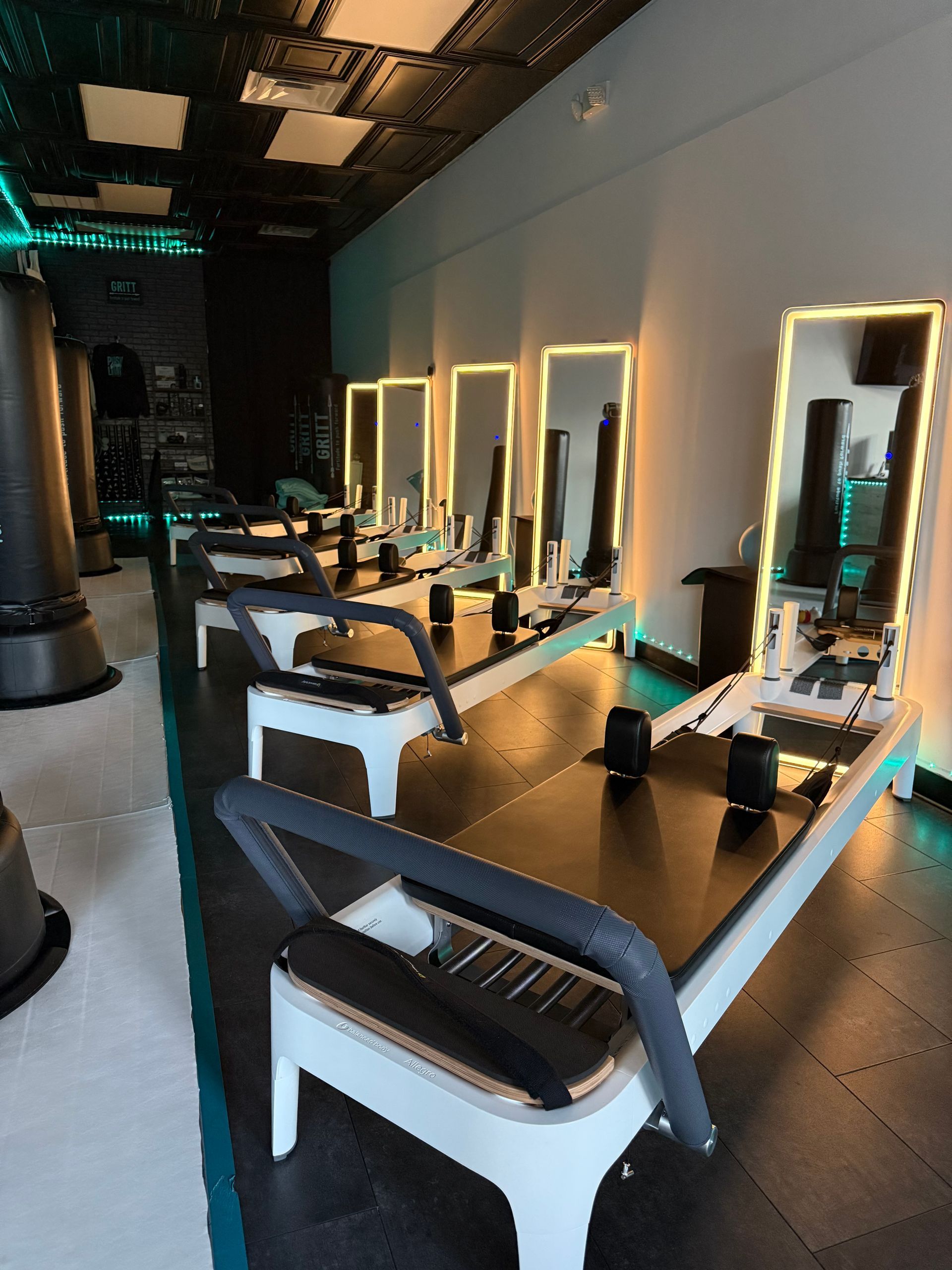
Lately, it feels like GLP-1 medications are everywhere. You hear people talking about them at the gym, online, at work, even over dinner with friends. Some people swear they completely changed their life. Others think nobody should take them at all. Somewhere in the middle is where most people actually are. Curious, unsure, and trying to figure out what is real and what is just internet noise. If you have been thinking about GLP-1 medications or simply trying to understand them better, there are a few things worth knowing before making any decisions.
A lot of women do not fail because they are lazy. They fail because they are exhausted. Exhausted from starting over every Monday. Exhausted from cutting out foods they enjoy. Exhausted from trying to follow plans that were never realistic for their actual life in the first place. Most diets promise fast results. Lose weight quickly. Cut carbs. Skip meals. Detox. Burn fat fast. And for a few days, maybe even a few weeks, things feel exciting. The motivation is high. The meals are perfect. Water intake goes up. Workouts feel productive. Then life happens. A stressful week at work. Kids get sick. Energy drops. One missed workout turns into guilt. One off meal suddenly feels like failure. And before long, the whole thing falls apart again. Not because the person was incapable. Because there was never any real structure behind it.
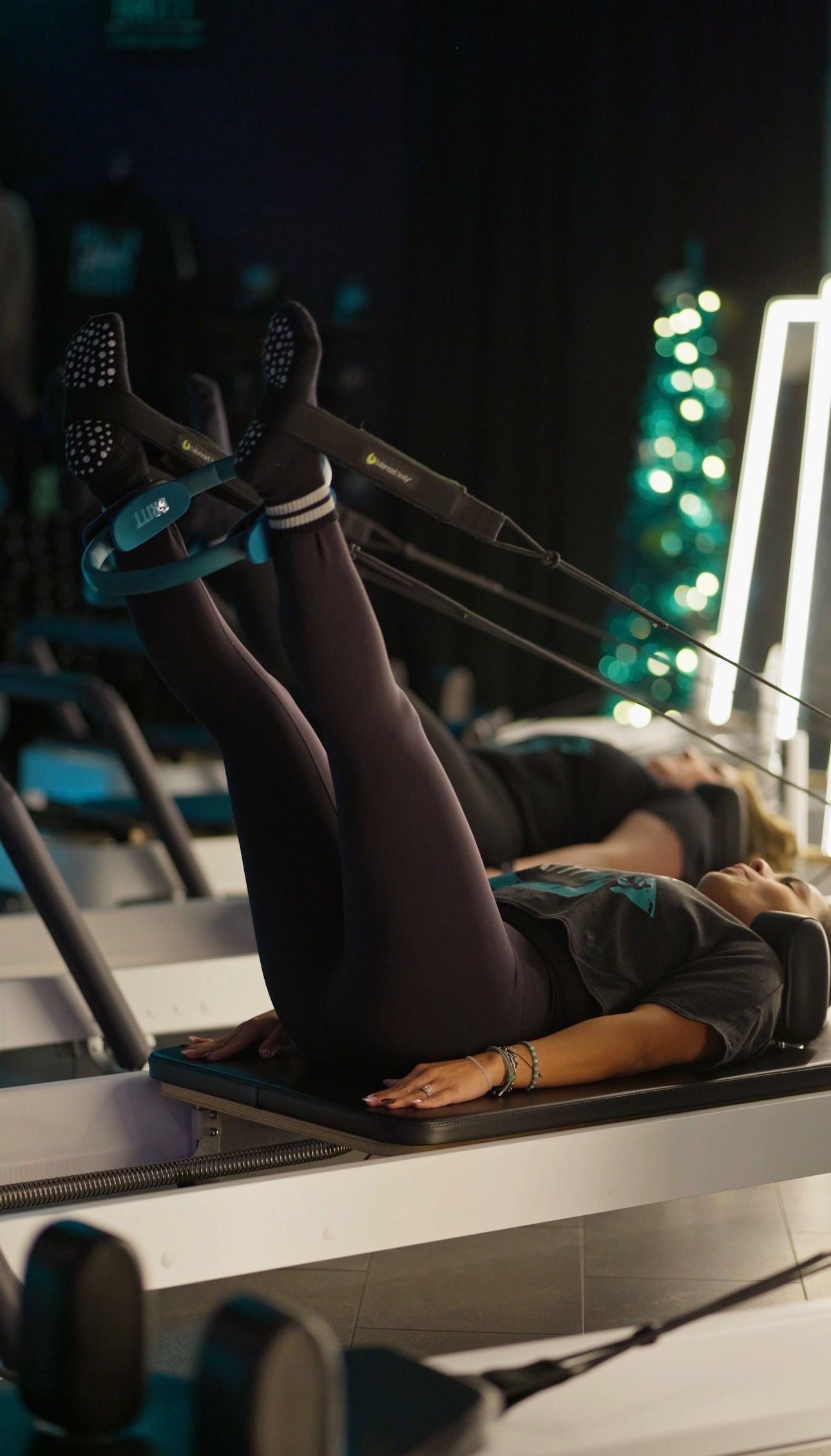
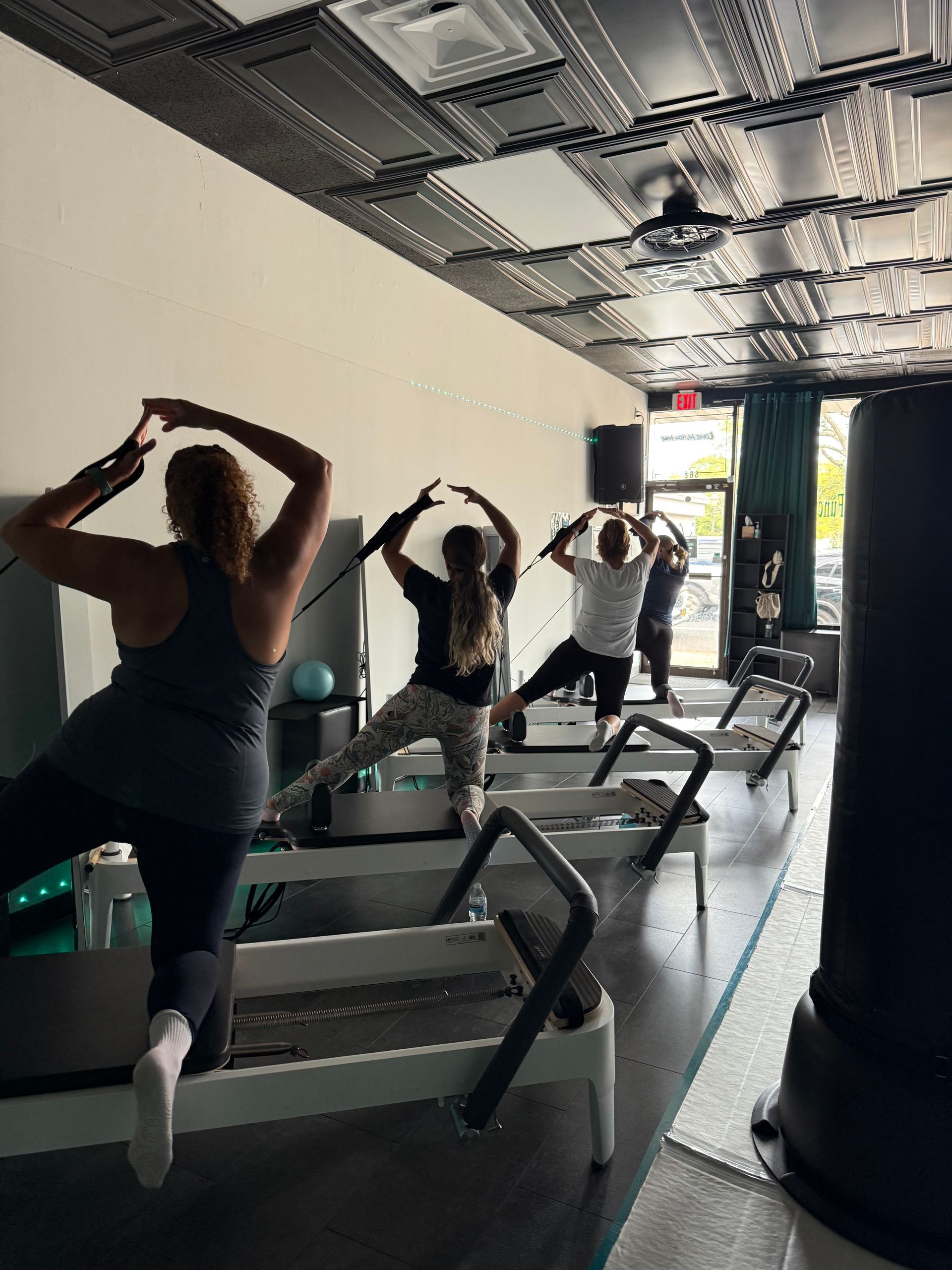
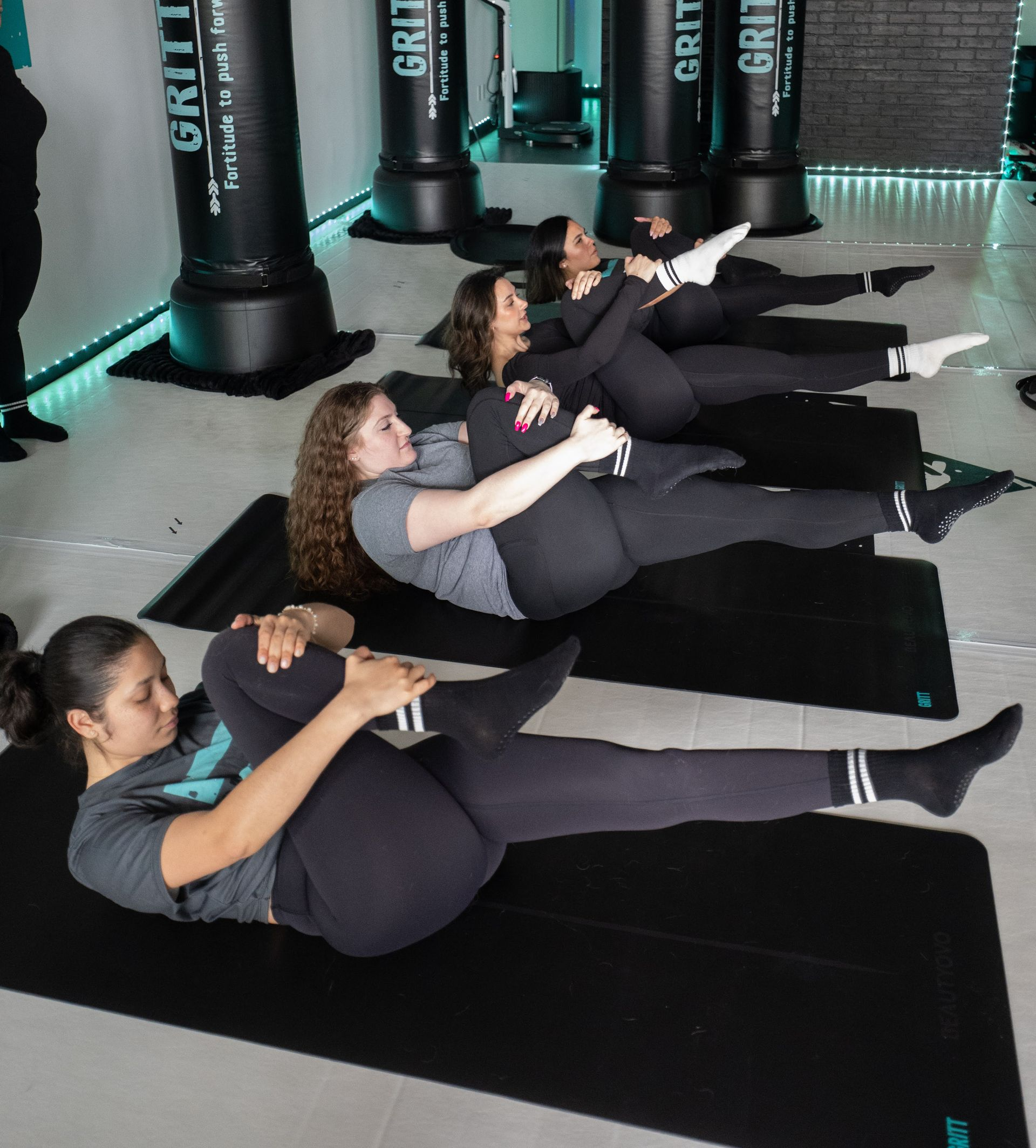
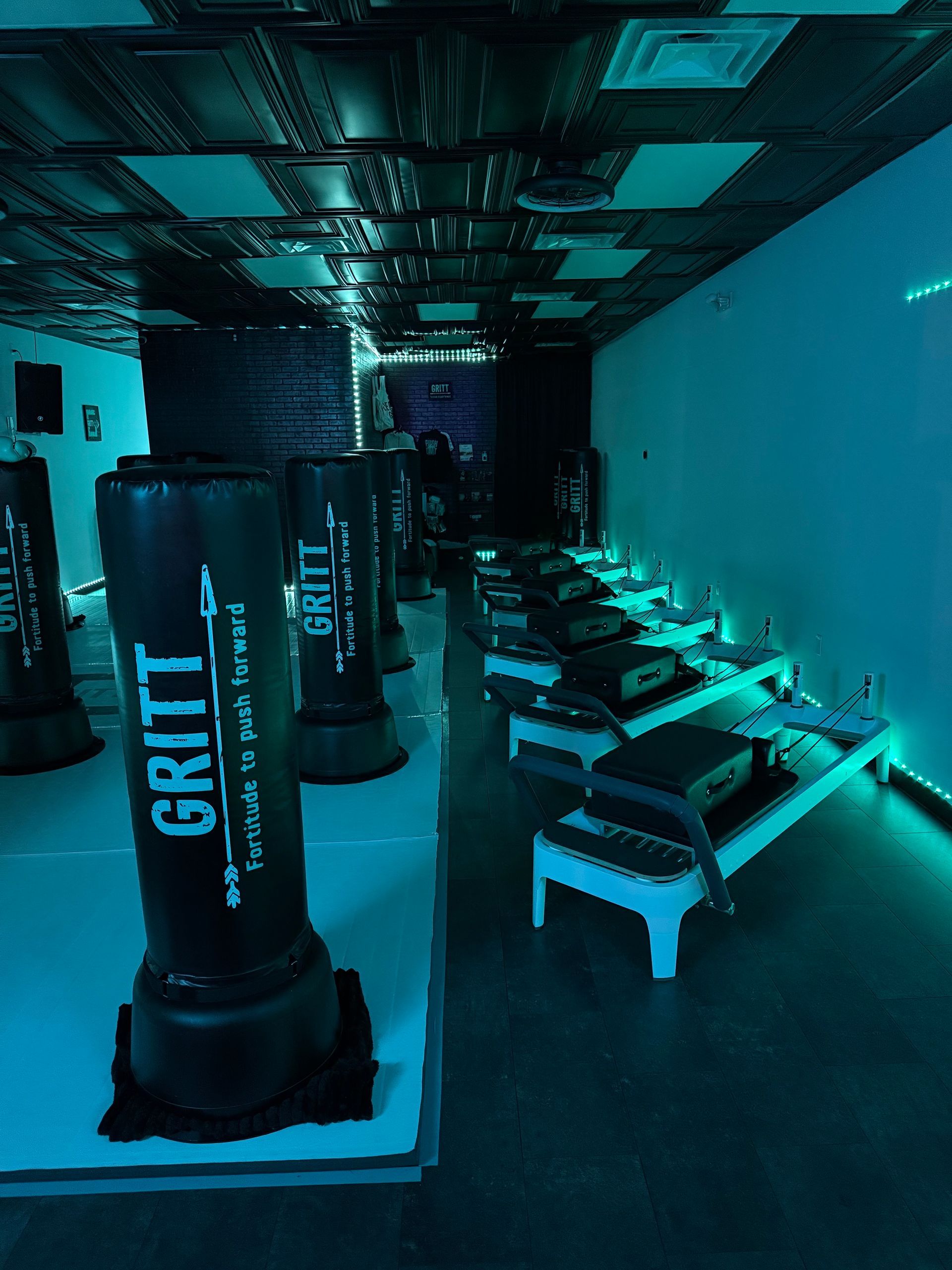
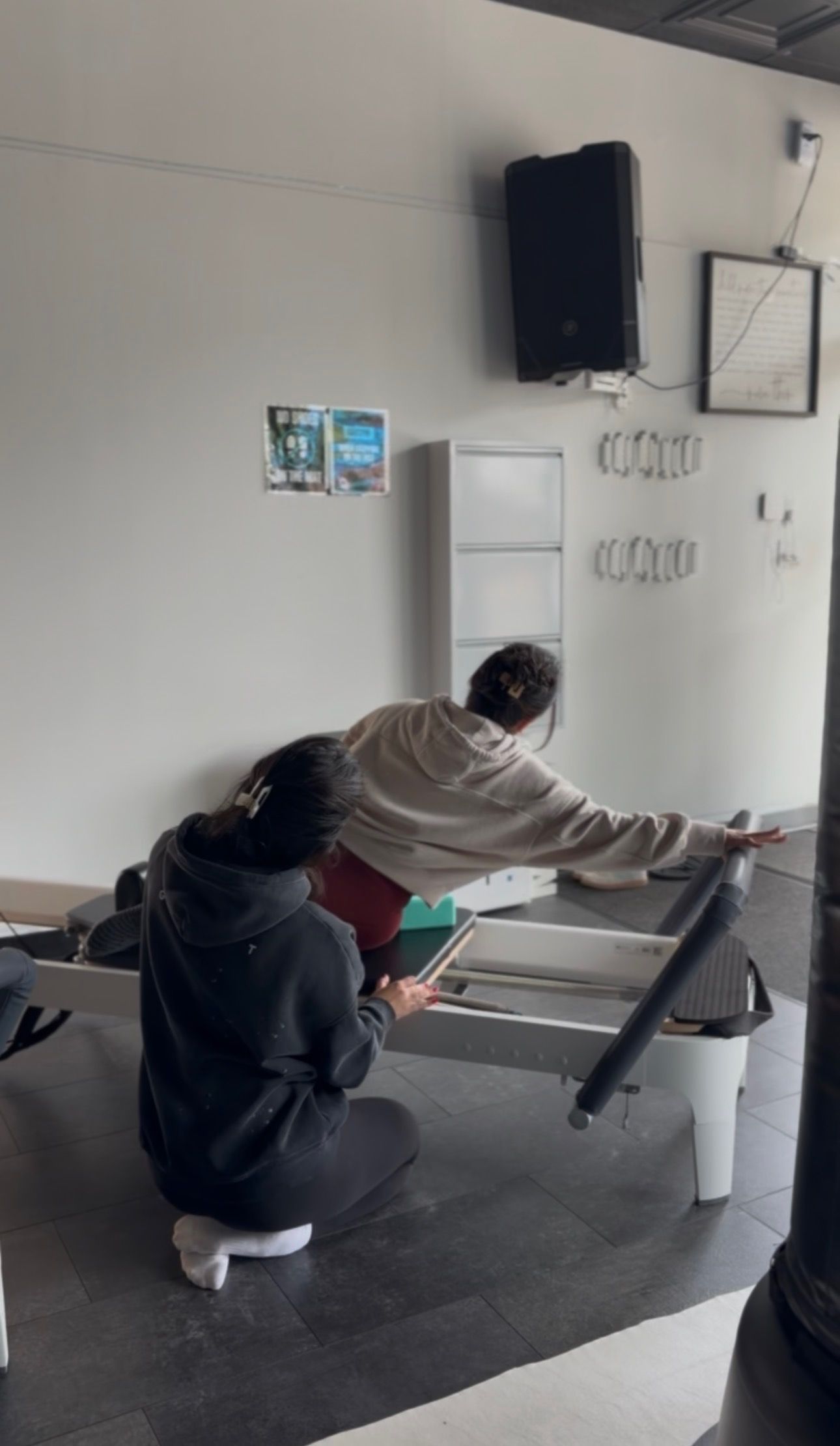
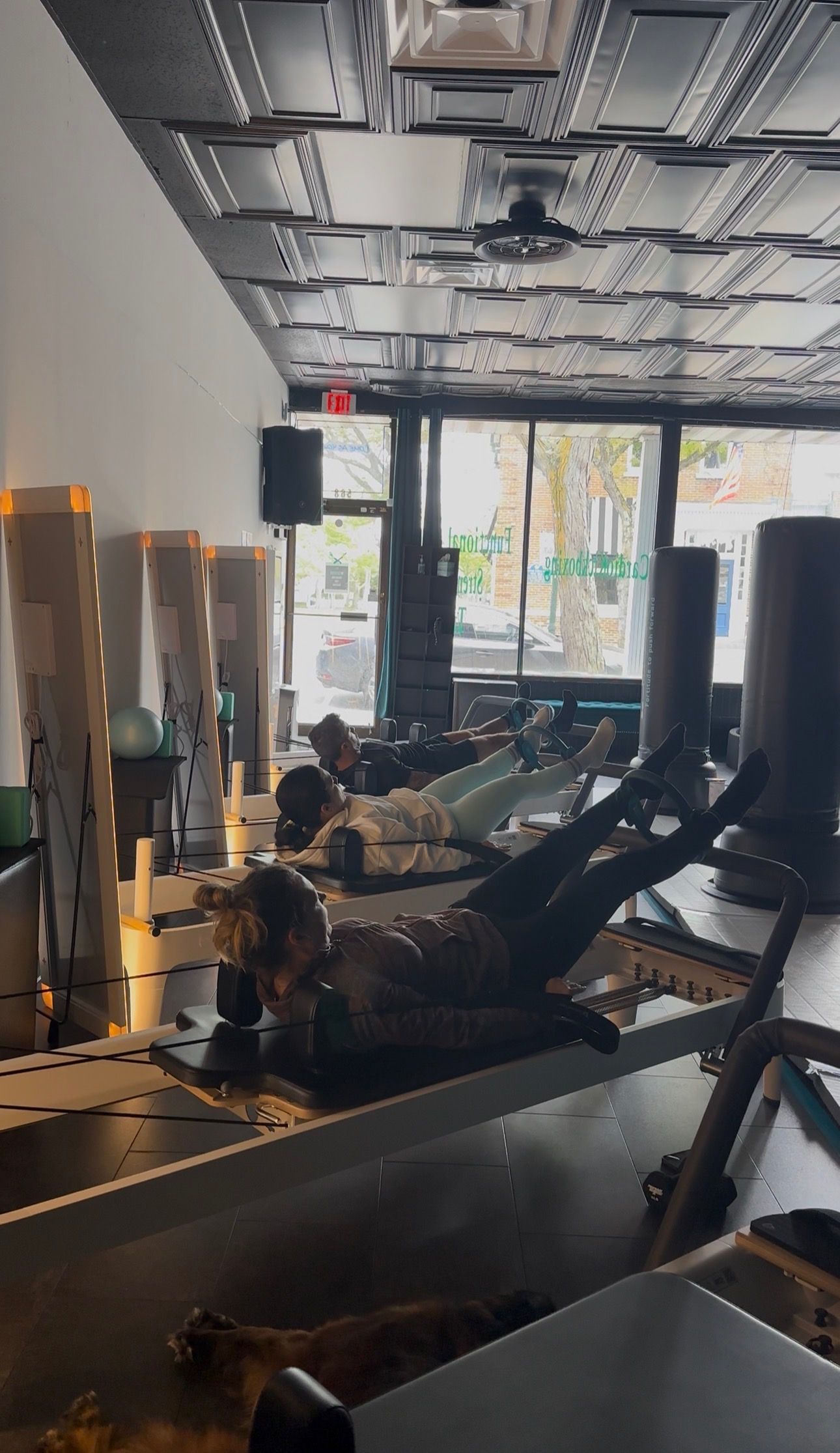
A lot of people are curious about Pilates right now, but most still are not completely sure what they are walking into. Some think it is just stretching. Some think it is only for flexibility. Others assume it is easy until they take one class and realize muscles they did not even know existed are suddenly shaking. The truth is, Pilates can be one of the most effective ways to build strength, improve posture, move better, and feel better overall. But not every class feels the same, and not every studio teaches it the same way either. If you are looking for Pilates classes in Islip, NY, here are a few things worth paying attention to before signing up somewhere.

It’s May. Not quite mid-year yet, but close enough to pause for a second and ask yourself something honest… How has your fitness actually been going so far? Back in January, most people had some kind of goal. Maybe it was to lose weight, get stronger, feel more confident, or just finally stay consistent. Now that a few months have passed, things usually look a little different than expected. And that’s okay.
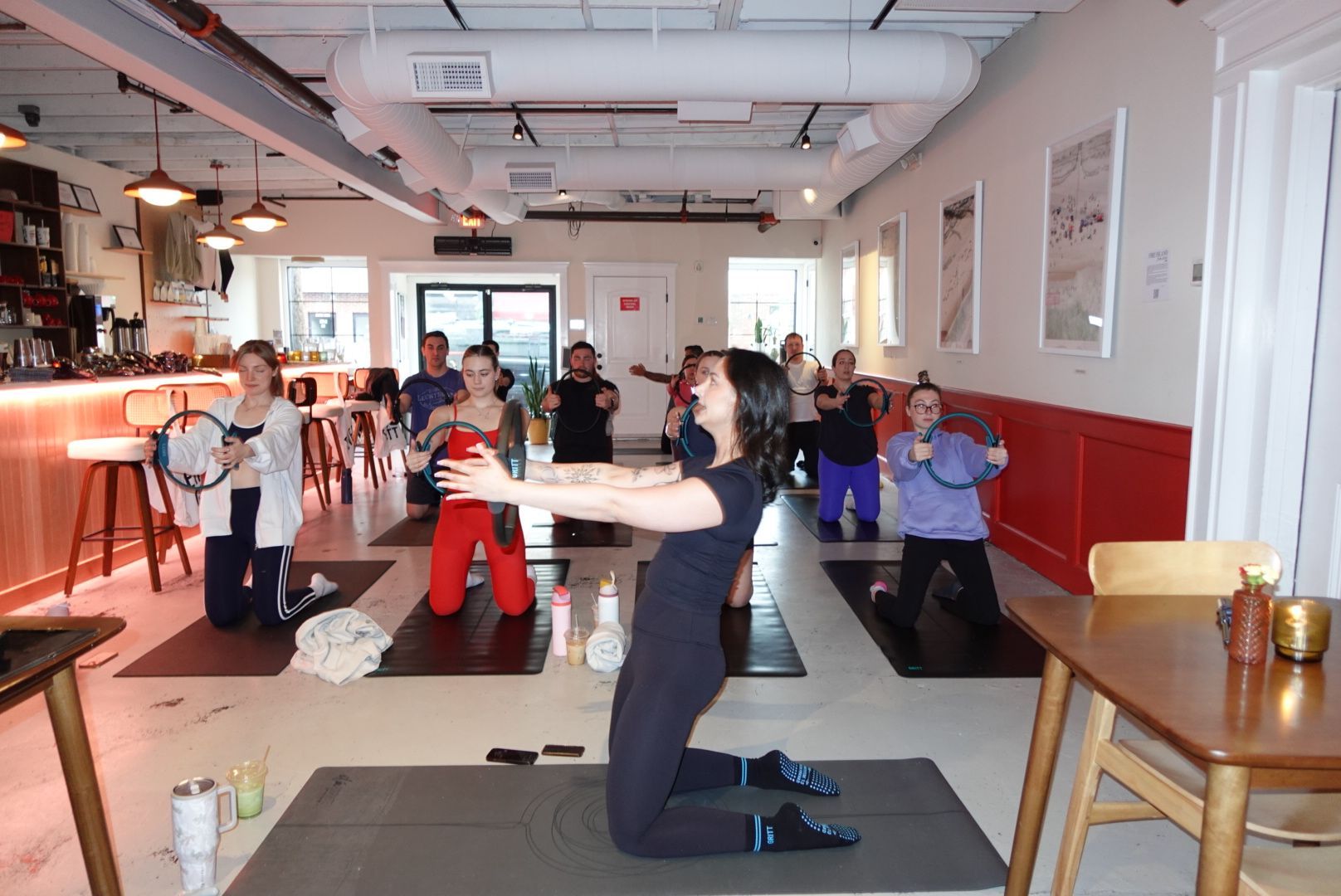
There are some sessions you run… and then there are sessions you feel. Sculpt & Sip at Kismet Coffee was one of those. We partnered with Kismet in Bay Shore for something a little different. A Mat Pilates class followed by your choice of coffee or an espresso martini. Simple idea. Good people. Good energy. That was the goal. We planned to keep it small. Just 10 spots so it stayed personal. That didn’t last long. The spots filled quickly, and we ended up opening 3 more because there was no way we were leaving people out. And honestly, I’m really glad we did. The room felt full in the best way. Not crowded, just… alive. From the moment we started, the energy was there. People showed up ready, open, and fully in it. And that’s what made the night what it was.